What does a space heater actually cost to run?
Here is the arithmetic, with the assumption stated in the open, because every figure you read elsewhere rests on one. A 1,500-watt heater is 1.5 kilowatts. At the US residential average of roughly 17 cents per kilowatt-hour, that is about 26 cents an hour at full output, or near $2 for an eight-hour night. Two things move that number: your own rate, which varies by more than double between states, and the thermostat — a heater holding a room at a set temperature cycles on and off rather than running flat out, so real consumption is usually well under the ceiling. The honest comparison is not heater versus nothing, it is heater in one room versus raising the central thermostat for the whole house.
Can I leave one running overnight?
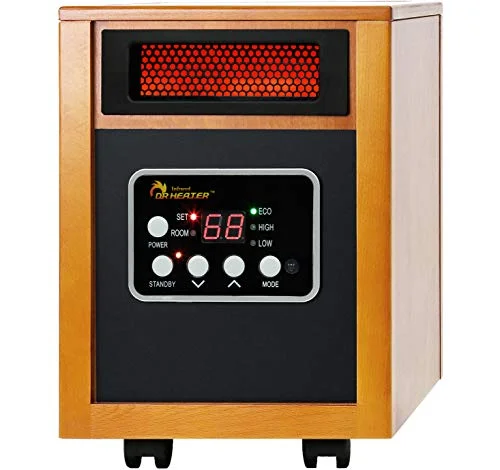
Every pick on this page has automatic shut-off, tip-over protection and overheat protection, and all are certified. The practical questions are the interval and the placement. A 7-hour preset will end before you wake; Dr Infrared’s 12 hours will not. Keep it on a hard, level floor with clear space around it, plugged straight into a wall outlet rather than an extension lead or power strip, and away from curtains and bedding. If a heater, its plug or its cord is warm to the touch in a way it was not when new, replace it rather than repair it.
Will it trip my breaker?
On its own, no. 1,500 watts is about 12.5 amps and a standard US household circuit is rated 15, so one heater on one outlet is within specification. The trouble starts when it shares a circuit: a heater plus a kettle, a microwave or a hairdryer exceeds the rating and the breaker does exactly what it is for. This is the single most common complaint in owner reviews across the category, and it is almost never a fault with the heater.
Ceramic, infrared or oil-filled?
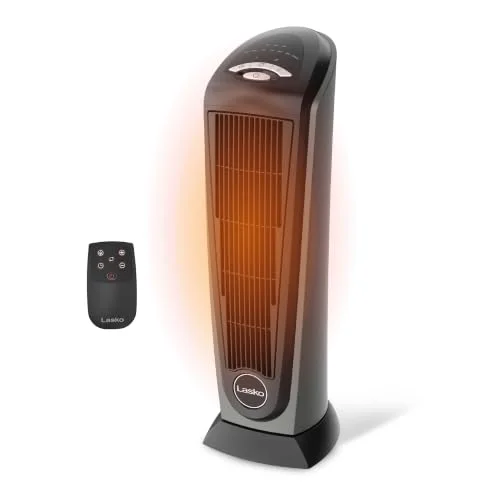
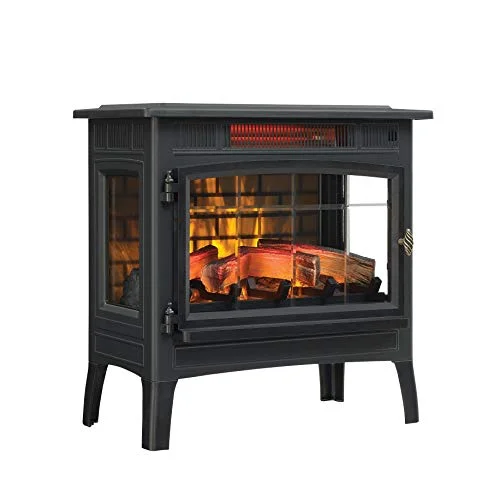
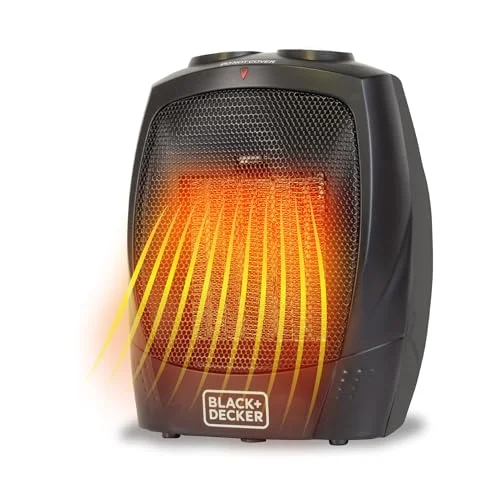
Ceramic with a fan warms air and moves it: fastest to feel, and you will hear the fan. Infrared warms the objects and people in front of it, which feels immediate and direct but stops where the beam stops. Oil-filled warms slowly, makes no noise at all and keeps radiating after it switches off, which is why it suits bedrooms and suits impatience badly. All three draw the same 1,500 watts, so this is a question about the experience you want, not about how much heat you get.
Do they really heat “1,000 square feet”?
Treat any square-footage claim as a manufacturer’s rating measured under favourable conditions — a well-insulated, closed, single-storey space with no draughts. Your room has windows, doors and a ceiling height nobody asked about. A 1,500-watt heater is supplemental heat: it makes the room you are sitting in comfortable so the central system can work less. Judge it on that, and no portable heater will disappoint you for the wrong reason.